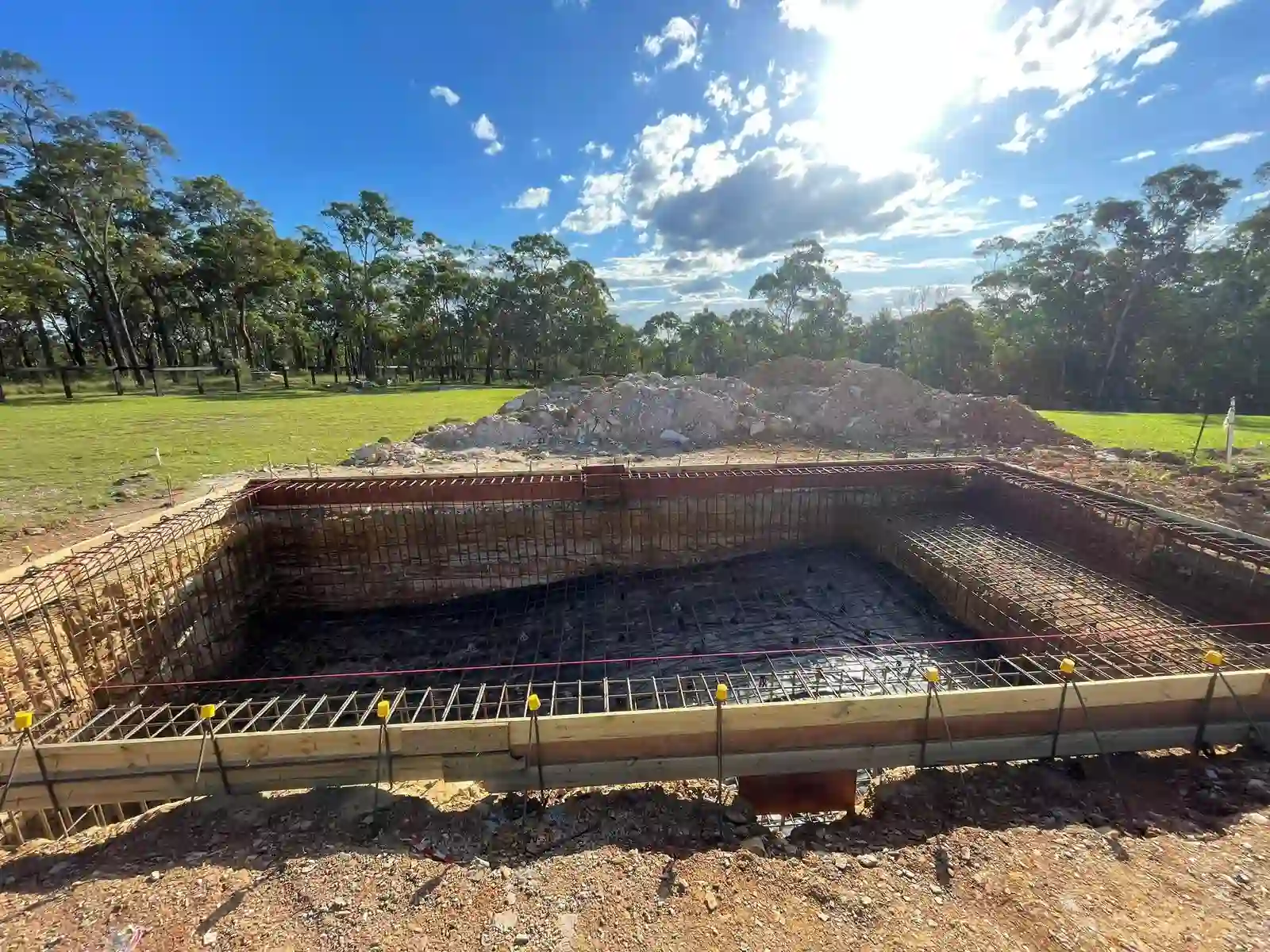
Every pool quote starts with a number. Almost none of them tell you what’s actually underneath the lawn that number is based on.
Pool excavation is the first physical stage of any concrete pool build — and it’s the stage most likely to turn a tidy estimate into a renegotiated contract once the digger hits something nobody accounted for. At Sydney Pools Steel, excavation is where every project genuinely begins, because it’s where the depth of your pool, the strength of the shell, the run of your plumbing, and your build timeline are all decided. This guide walks through what pool excavation in Sydney really involves, why the city’s geology makes it more unpredictable than almost anywhere else in the country, and what to ask before you sign a quote.
Why Pool Excavation Is the Stage Most Quotes Get Wrong
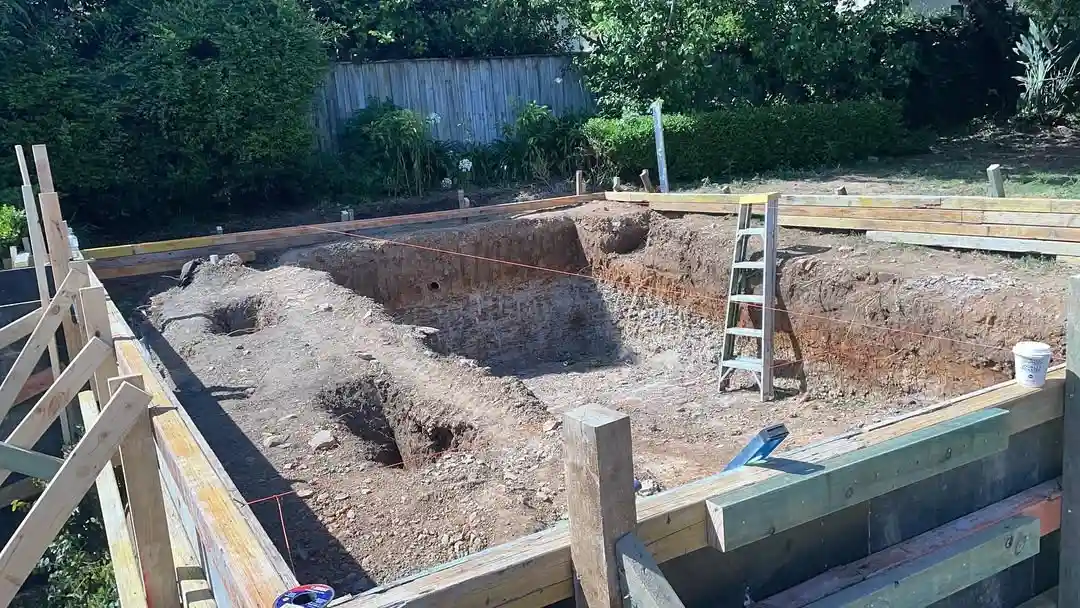
A pool excavation isn’t simply “digging a hole.” It’s a structural process — removing material to a precise depth and shape, managing the spoil, preparing a stable base, and protecting everything around the site before the steel and shotcrete crews ever arrive. Get this stage wrong and every later stage inherits the problem: an unstable base undermines the steel formwork, uneven walls complicate the shotcrete shell, and a poorly planned dig can damage plumbing trenches before they’re even laid.
Most online “pool cost” calculators treat excavation as a flat line item. In Sydney, that’s rarely realistic, because what’s under two backyards on the same street can be completely different.
Sydney's Geology: Why Your Suburb Changes the Job
Much of the Sydney basin sits on a sandstone foundation, but how close that rock sits to the surface — and what sits above it — varies enormously across the metro area. Understanding the general pattern for your area helps you ask sharper questions before you get a quote, even though the only way to know for certain is to assess your specific block.
General ground conditions across Sydney (indicative — every block should be individually assessed)
| Region | Typical ground conditions | What it tends to mean for excavation |
|---|---|---|
| Eastern Suburbs, Inner West & Lower North Shore | Sandstone often sits relatively close to the surface | Rock breaking or saw-cutting is common, even on a standard-depth pool |
| Hills District & Western Sydney | Clay-dominant soils that expand and contract with moisture | Needs careful excavation technique and influences steel design |
| Northern Beaches & Sutherland Shire | A mix of sand, sandstone shelf, and reactive soils depending on the pocket | Conditions can shift block to block, even on the same street |
| Parramatta & surrounding suburbs | Often a mix of fill, clay, and older infrastructure | Legacy drainage lines and footings are uncovered more frequently here |
The honest answer: nobody can confirm what’s under your backyard from a desktop quote. A site visit, and in some cases a test dig, is the only reliable way to price excavation accurately — which is exactly why we walk every site before we put a number on paper.
The Pool Excavation Process, Step by Step
Here’s what a properly managed pool excavation in Sydney actually involves, from first visit to handover.
Site assessment and service checks
Before any machine touches the ground, the site is assessed for access, slope, and likely soil conditions, and underground services are located. Lodging a free enquiry with
Before You Dig Australia
is a non-negotiable step — it identifies buried utilities so they aren’t struck during the dig.
Access and machinery planning
Side access, gate widths, overhead lines, and neighbouring structures all determine which machinery can realistically get to the dig site, and whether smaller equipment or staged removal is needed.
Bulk excavation to design depth and shape
The pool footprint is dug to the engineer-specified depth and profile, working progressively to keep the excavation stable as material is removed.
Rock removal, where the site requires it
Where sandstone or other hard rock is encountered, it’s typically removed with a hydraulic hammer attachment, with rock saws used for tighter clearances close to a house or boundary wall. This stage is priced separately from soil removal because it takes specialised equipment and considerably more time.
Spoil removal and disposal
Excavated soil and rock are removed from site and disposed of responsibly. Truck access and disposal volume both affect how long this stage takes.
Base preparation and compaction
The excavated base is levelled and compacted to give the steel and formwork crew a stable, consistent surface to build on.
Handover to steel fixing and formwork
Once the excavation is signed off, the site moves directly into
steel formwork and reinforcement
— the next stage in our
full pool construction process.
What Affects the Cost and Timeline of Your Excavation
Factors that move excavation cost and time
| Factor | Lower impact | Higher impact |
|---|---|---|
| Site access | Wide side access, flat approach | Narrow gates, sloped driveway, restricted machine access |
| Soil and rock type | Sandy loam or soft fill | Sandstone, clay-heavy or rock-bound ground |
| Pool size and depth | Standard footprint, consistent depth | Large pool, varying depth, attached spa |
| Spoil disposal | Easy truck access to the street | Long carry distance, restricted truck access |
|
Drainage and groundwater | Well-draining site | High water table or poor natural drainage |
For a full breakdown of how excavation fits into the overall budget of a pool build, see our guide to concrete pool costs in Sydney, which covers every stage from excavation through to surface finish.
Safety and Compliance on a Sydney Excavation Site
Excavation is classed as high-risk construction work under NSW work health and safety law, and for good reason — trench and excavation collapses happen quickly and with little warning. A compliant excavation crew works to a Safe Work Method Statement, manages the risk of collapse through benching, battering, or shoring as required, and confirms underground services are located before digging starts. SafeWork NSW’s excavation guidance sets out exactly what’s required, and it’s worth asking any builder how their crew meets it.
Why Excavation Quality Shapes Everything That Follows
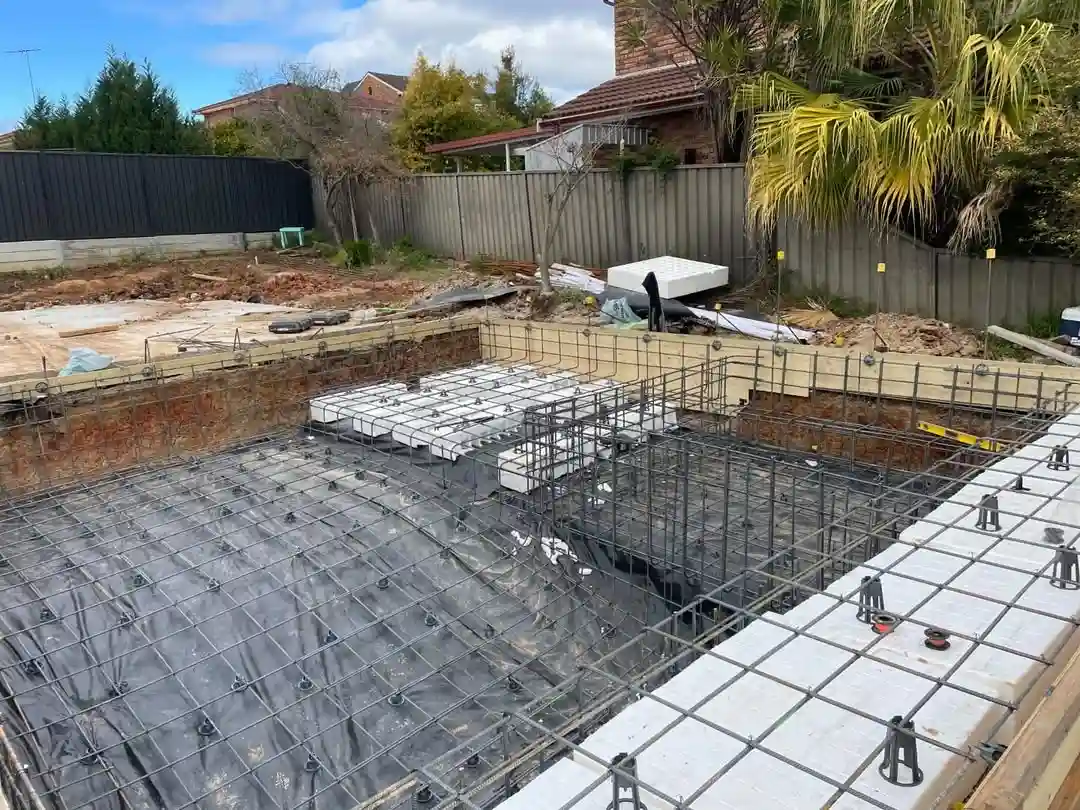
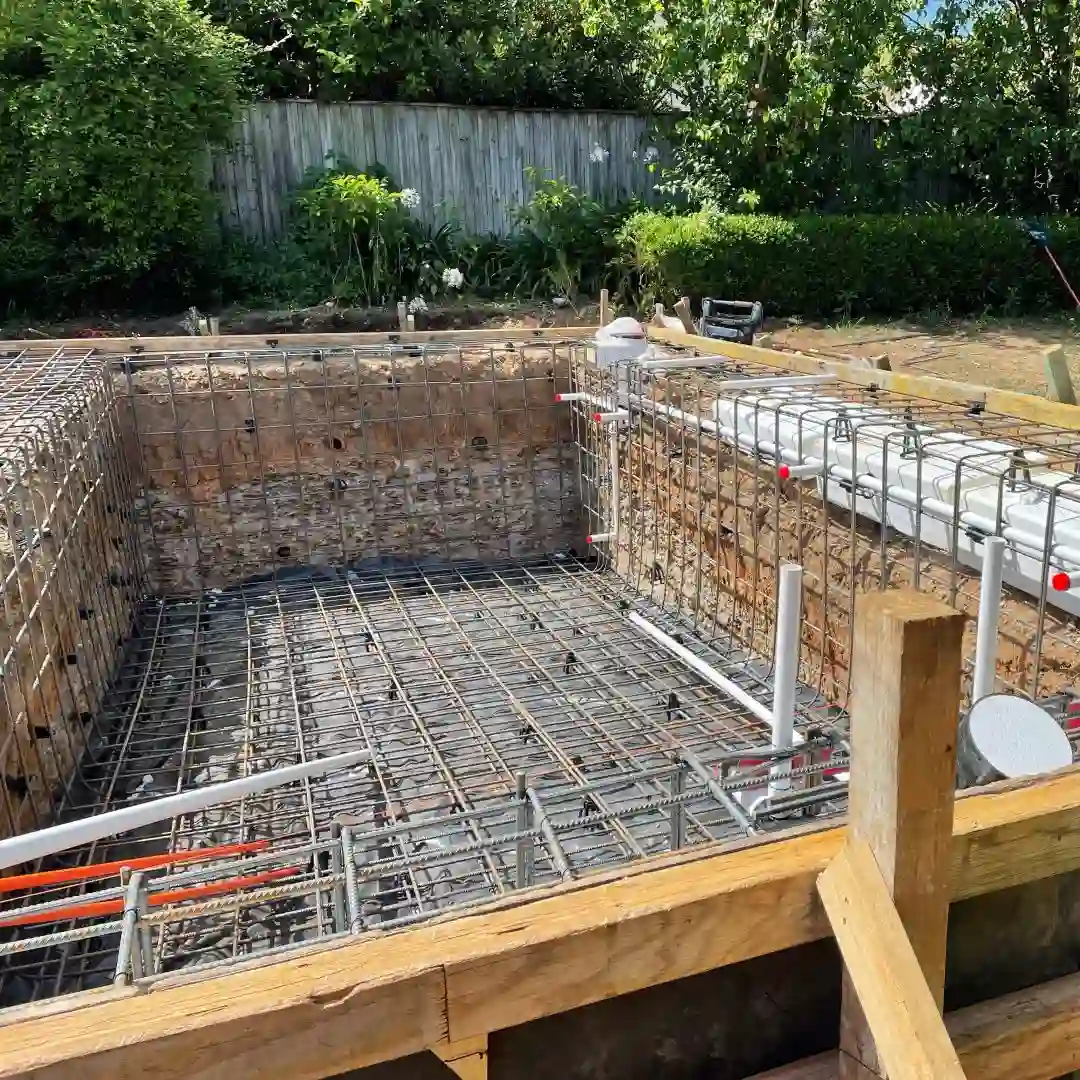
A pool shell is only as strong as the ground it’s built on. Inconsistent compaction or an inaccurately profiled excavation forces the steel and formwork crew to compensate, which can affect how evenly the steel reinforcement sits and how cleanly the shotcrete shell is applied. It’s also the stage that determines whether your pool plumbing trenches sit where the design intended, before everything is buried under concrete for good.
Pool Excavation
Site assessment, machinery operation, rock removal, spoil disposal and base preparation.
Pool Formwork & Steel Fixing
Engineer-specified rebar placement, tied and inspected before shotcrete.
Pool Shotcrete
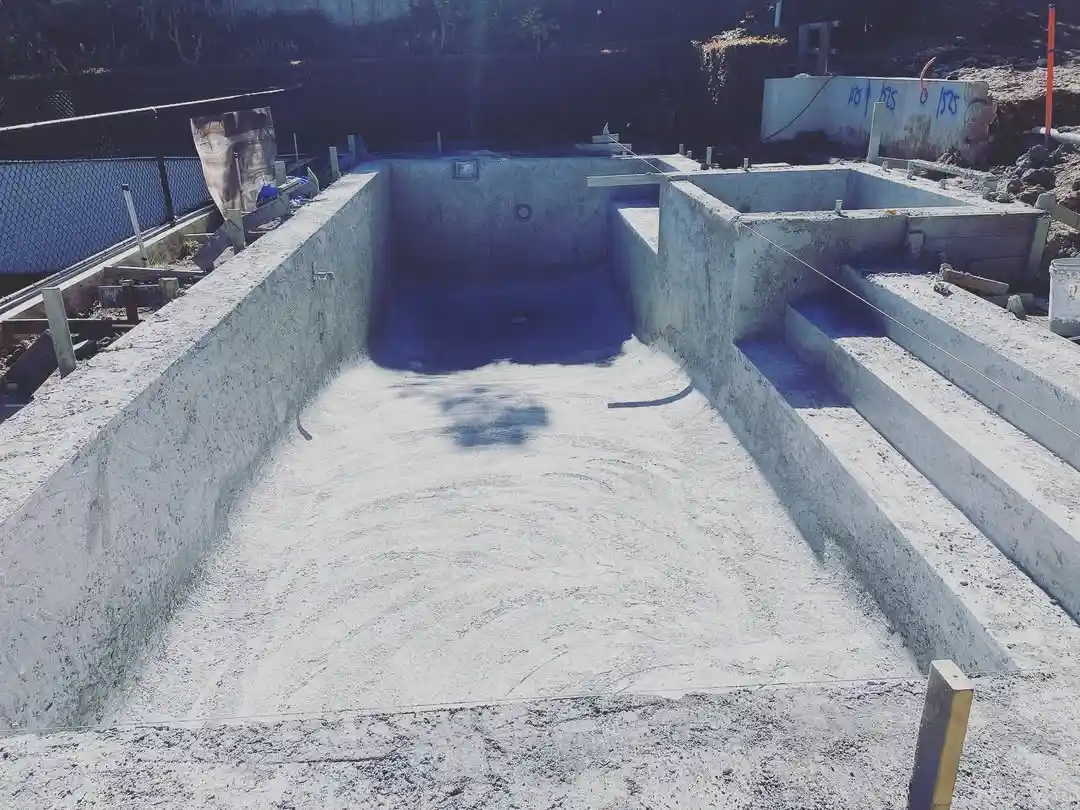
High-velocity structural concrete shell application for custom shapes and curves.
Pool Plumbing
Pipe installation, pressure testing and leak prevention before the pour.
FAQs
What does pool excavation actually involve?
Pool excavation covers everything from locating underground services and assessing soil conditions, through bulk digging to the pool’s design depth and shape, rock removal where needed, spoil removal, and base preparation ready for steel formwork and shotcrete.
How do I know if there's rock under my backyard?
You generally won’t know for certain until excavation begins or a test pit is dug. Suburb history is a reasonable guide — sandstone is common close to the surface in many eastern and harbourside parts of Sydney — but conditions can vary significantly from block to block.
Does rock excavation always increase the cost?
Generally yes. Rock removal requires specialised equipment and more time than standard soil excavation, so most builders price it separately once the actual volume of rock is known. A reputable builder will flag this as a possibility upfront rather than burying it in a flat quote.
How long does pool excavation take in Sydney?
A straightforward excavation on a flat, accessible block with no rock can often be completed in a day or two. Sites with restricted access, significant rock, or drainage complications can take considerably longer.
Do I need council approval before excavation starts?
Yes. Pool construction in NSW requires development consent or a complying development certificate before any digging begins. Your builder should confirm this approval is in place before scheduling excavation.
Does Sydney Pools Steel handle excavation as part of the full build?
Yes. Excavation is the first stage of our integrated pool construction service, followed by steel formwork, shotcrete, and plumbing — all managed by one team so nothing is lost in handover between trades.