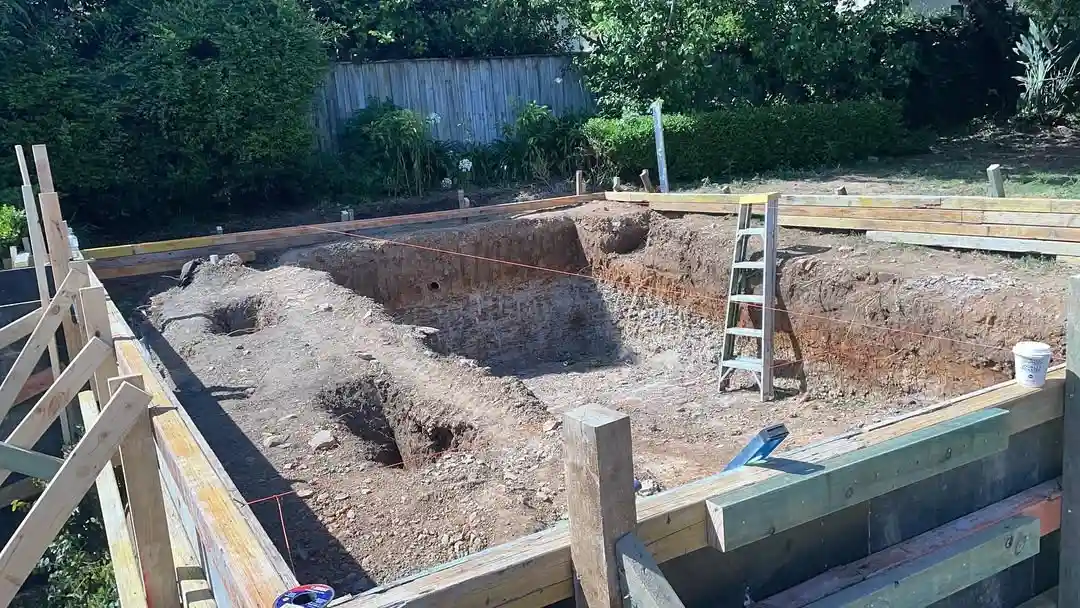
Stand next to an empty excavation before a public pool takes shape and the scale becomes clear.
The structure will carry immense water weight, constant movement, and years of uninterrupted use. Every wall and slab must respond to pressure, soil conditions, and daily activity.
That is where structural standards for public swimming pools guide real decisions on site, from reinforcement detailing to concrete specification. Small adjustments in thickness or bar placement can influence performance long after opening day.
At Sydney Pools Steel, structural planning forms the backbone of each project, discussed carefully with engineers and contractors alike, so the finished pool performs reliably through heavy public use and changing ground conditions.
Structural Design
When plans for a public pool land on the table, the first real question is simple: how will this structure carry its weight year after year?
Depth changes, lane widths, plant room locations, even the height of the surrounding deck all influence the way forces travel through concrete.
Structural drawings usually pass back and forth between engineers and builders several times. Adjustments happen. Details get refined. That process shapes a pool that feels solid under constant use.
Load and Stress
Water applies steady outward pressure on the walls and a continuous downward force on the slab.
Then come swimmers, maintenance equipment, starting blocks, perimeter traffic.
Soil conditions add their own behavior beneath the shell. When these forces are calculated carefully, wall dimensions and reinforcement layouts begin to make practical sense on site.
Safety Factors
Engineers build in measured margins to account for material variation and site realities. Those allowances support reliable performance through heavy public use and seasonal ground movement.
Pool Shell Standards
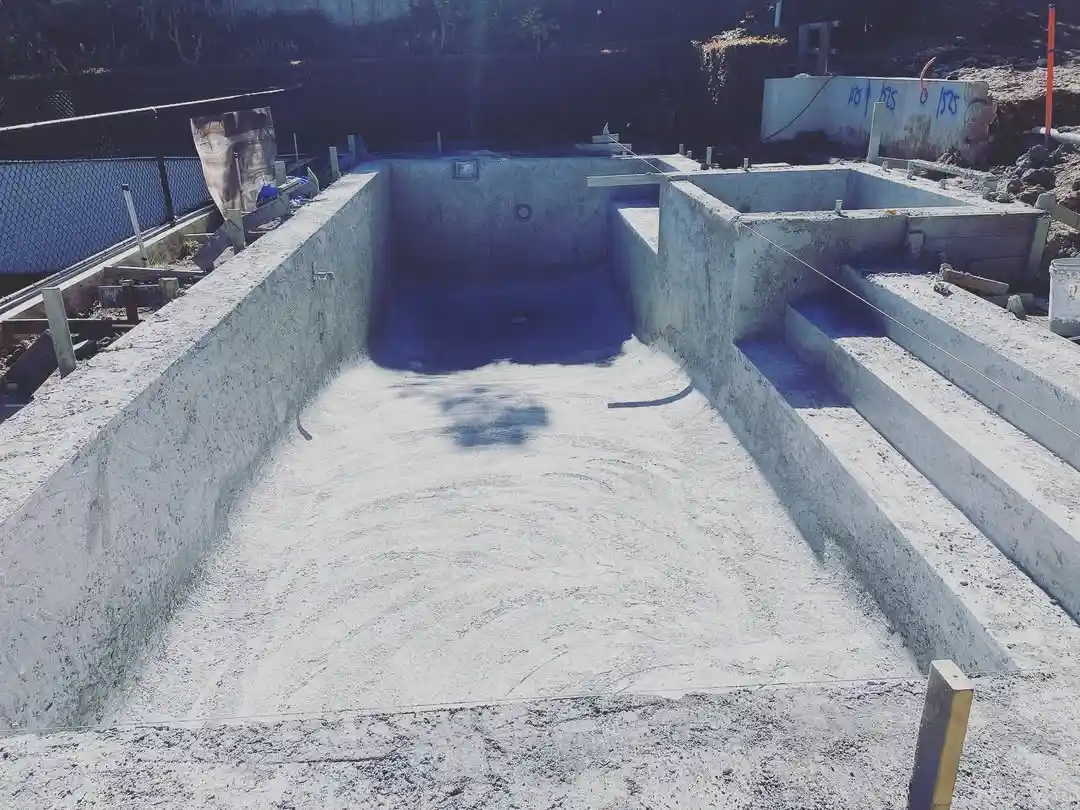
The pool shell forms the structural core of the entire facility. Once poured, it carries water pressure, internal finishes, and long term ground interaction.
Standards for shell construction focus on material quality, controlled placement, and proper curing.
Small shortcuts during this stage often surface years later as cracks or movement, so supervision and inspection matter on site.
Reinforced Concrete
Public pools rely on reinforced concrete, typically applied using pool shotcrete, because it handles compression and tensile forces together.
Steel bars embedded within the concrete absorb stress that plain concrete alone cannot manage.
Proper vibration during pouring, consistent cover over reinforcement, and attention to joint detailing all contribute to structural integrity.
Experienced crews understand how placement technique directly affects performance.
Thickness Requirements
Wall and slab thickness depend on depth, soil classification, and load calculations. Deeper sections demand greater structural capacity.
Uniform thickness helps distribute stress evenly, while transitions between floor levels require careful structural continuity to maintain strength throughout the shell.
Steel Reinforcement
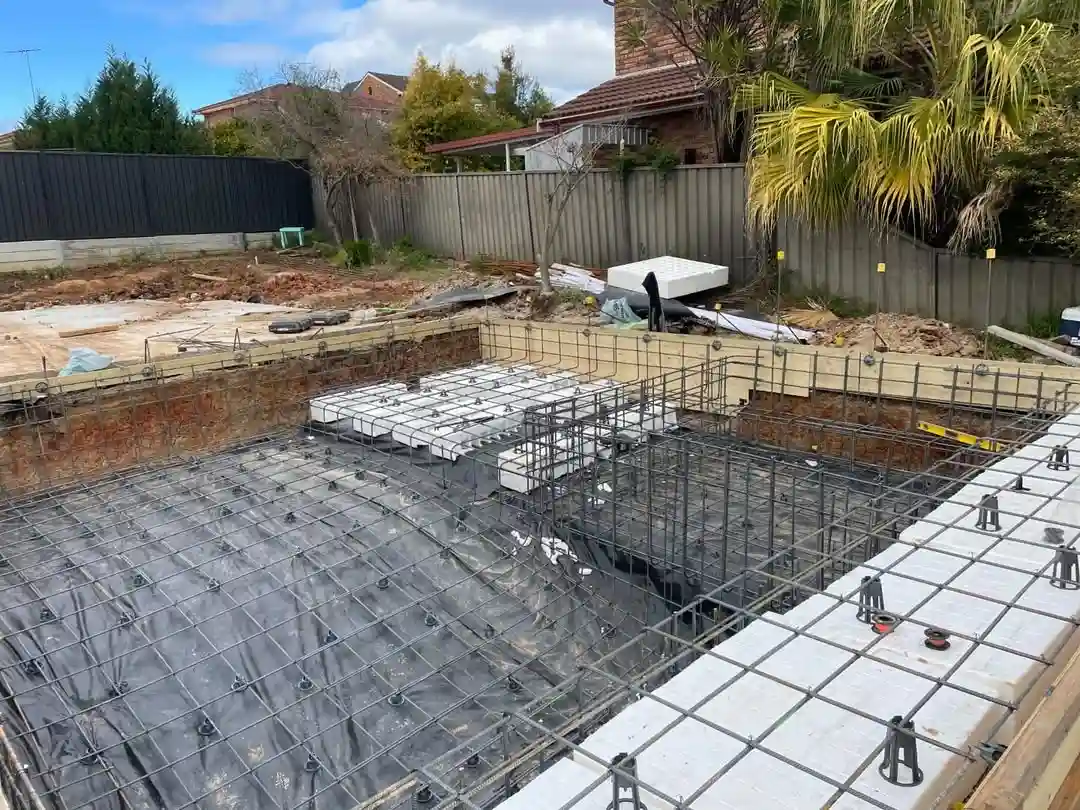
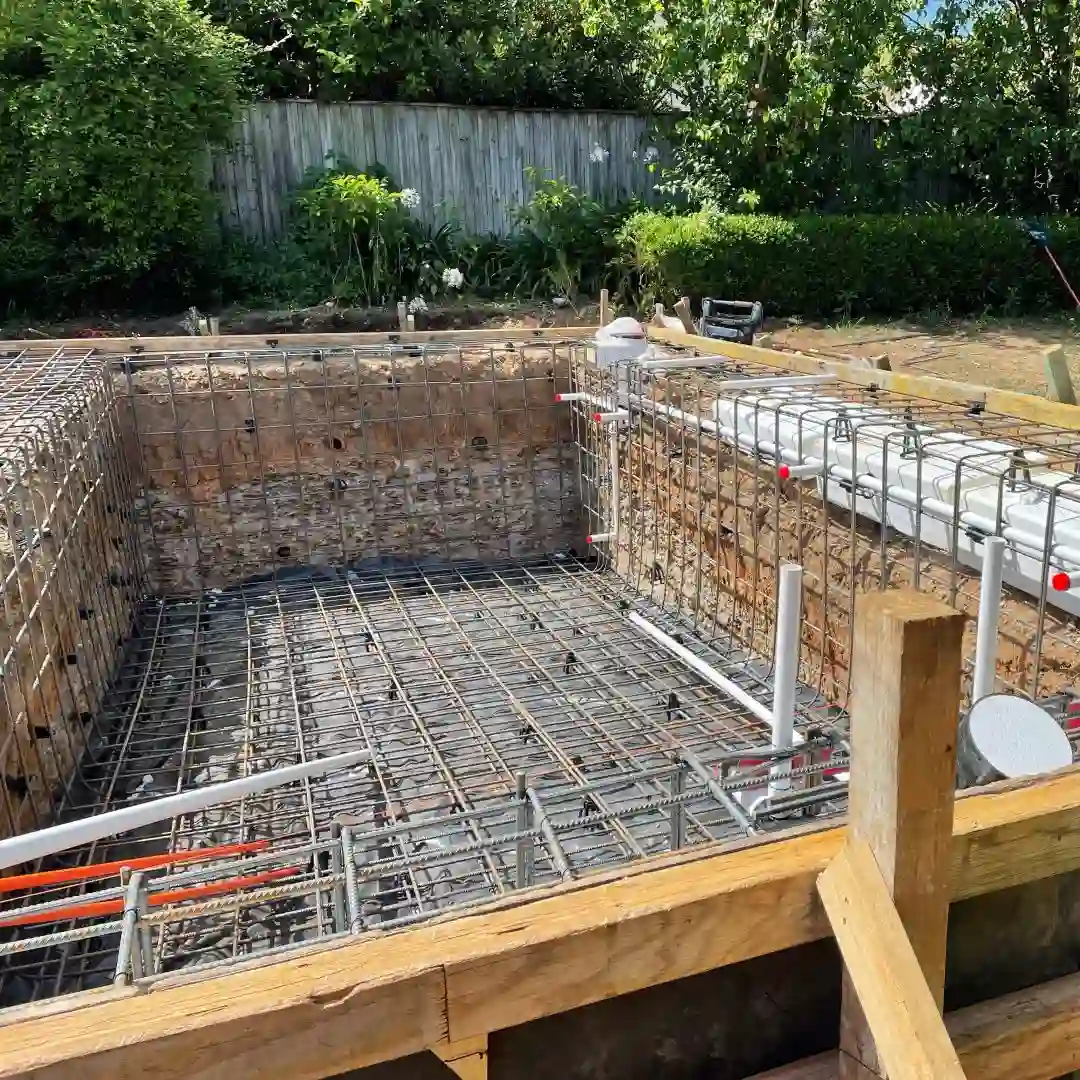
Steel reinforcement, installed through proper pool formwork and steel fixing, gives the concrete shell its internal strength.
Within structural standards for public swimming pools, reinforcement design receives close attention because water pressure and soil movement generate ongoing tensile stress.
Role of Rebar
Rebar carries tension forces that concrete alone cannot absorb efficiently. Horizontal and vertical bars work together, forming a structural grid through the walls and slab.
Proper bar diameter, grade, and overlap length influence crack control and long term stiffness.
For a detailed breakdown of why rebar spacing, concrete cover tolerances, and shotcrete shadowing directly affect your pool’s lifespan, read our article on concrete pool steel reinforcement and rebar placement.
On active construction sites, experienced supervisors review tying methods and lap zones carefully.
Placement & Spacing
Bar spacing affects load distribution. Consistent alignment keeps stress balanced across the shell.
Chairs and spacers maintain correct concrete cover, preserving structural depth and performance.
Corrosion Protection
Moist environments demand protective strategies. Adequate cover, quality concrete compaction, and, where required, protective coatings reduce long term deterioration.
At Sydney Pools Steel, reinforcement detailing remains a central focus during both design review and on site execution.
Foundation & Ground
Before anything rises above ground, the soil beneath a pool sets the rules. Engineers poke, dig, and test, feeling how the earth reacts to weight and moisture.
Each sample tells a story, where extra support is needed, how deep footings should go, or where drainage must run. These observations shape every decision about the slab and walls.
Soil Testing
Soft clay, dense sand, or mixed layers behave differently. Core samples, small test pits, and simple field checks show where compaction matters most.
during excavation, your team observes and responds to soil conditions (clay, rock, sand) and adjusts the base preparation accordingly.
Hydrostatic Protection
Groundwater pushes from below, sometimes quietly, sometimes aggressively. Relief drains, membranes, and layers of gravel manage that pressure and protect the shell.
When hydrostatic measures align with careful soil preparation, pools stay solid, dry, and reliable for decades, meeting structural standards for public swimming pools at every step.
Waterproofing & Durability
Even the sturdiest pool shell can betray a builder if water finds its way through tiny gaps. Before anything is applied, surfaces are cleaned, smoothed, and checked for imperfections. That first step sets the stage for lasting protection.
Waterproofing Systems
Sheets, liquid coatings, or crystalline additives cover walls and floors, each chosen for the soil, water table, and pool type. Corners get extra layers. Pipes and skimmers are wrapped and sealed carefully.
At Sydney Pools Steel, installers inspect every seam, sometimes twice, knowing that the smallest missed edge today can become a leak tomorrow.
Leak Prevention
Every penetration through the shell, including drains and pool plumbing, receives collars, sealant, or both.
With these combined measures, aligned with structural standards for public swimming pools, the finished pool stays watertight, strong, and durable through years of continuous use.
Deck & Surroundings
Walk across a pool deck early in the morning, before anyone arrives. The surface feels solid, but under it, every slab, bar, and patch of soil carries weight.
Chairs, loungers, footsteps, even rain and sun, press and shift things slowly. Getting the deck right begins with the slab, the steel bars inside, and careful ground prep.
Any soft spot or uneven patch can show cracks later. Slope and drainage guide water away, keep the surface dry, and protect the pool shell below. Thoughtful layout spreads weight so the whole area feels steady under daily use.
Structural Stability
Concrete, joints, and steel bars form a team. A misplaced bar, a hurried pour, or uneven curing, and years later, problems appear.
When the deck and pool shell move together, forces spread naturally, keeping everything firm, steady, and reliable.
Safety Standards
Steps, rails, and edges get real attention. Non-slip finishes, clear markings, and flowing drainage reduce accidents.
Following structural standards for public swimming pools keeps the deck safe, durable, and ready for everyday use.
At Sydney Pools Steel, our team has been working in this field for many years, delivering projects with excellent quality and reasonable pricing.
Our crew combines both expertise and hands-on experience, having completed various projects across Sydney. For more information, to get a quote, or to place an order, simply call 1800977091.